


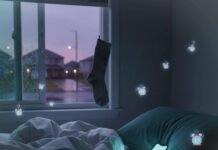









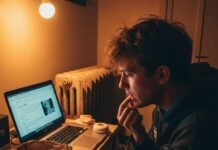


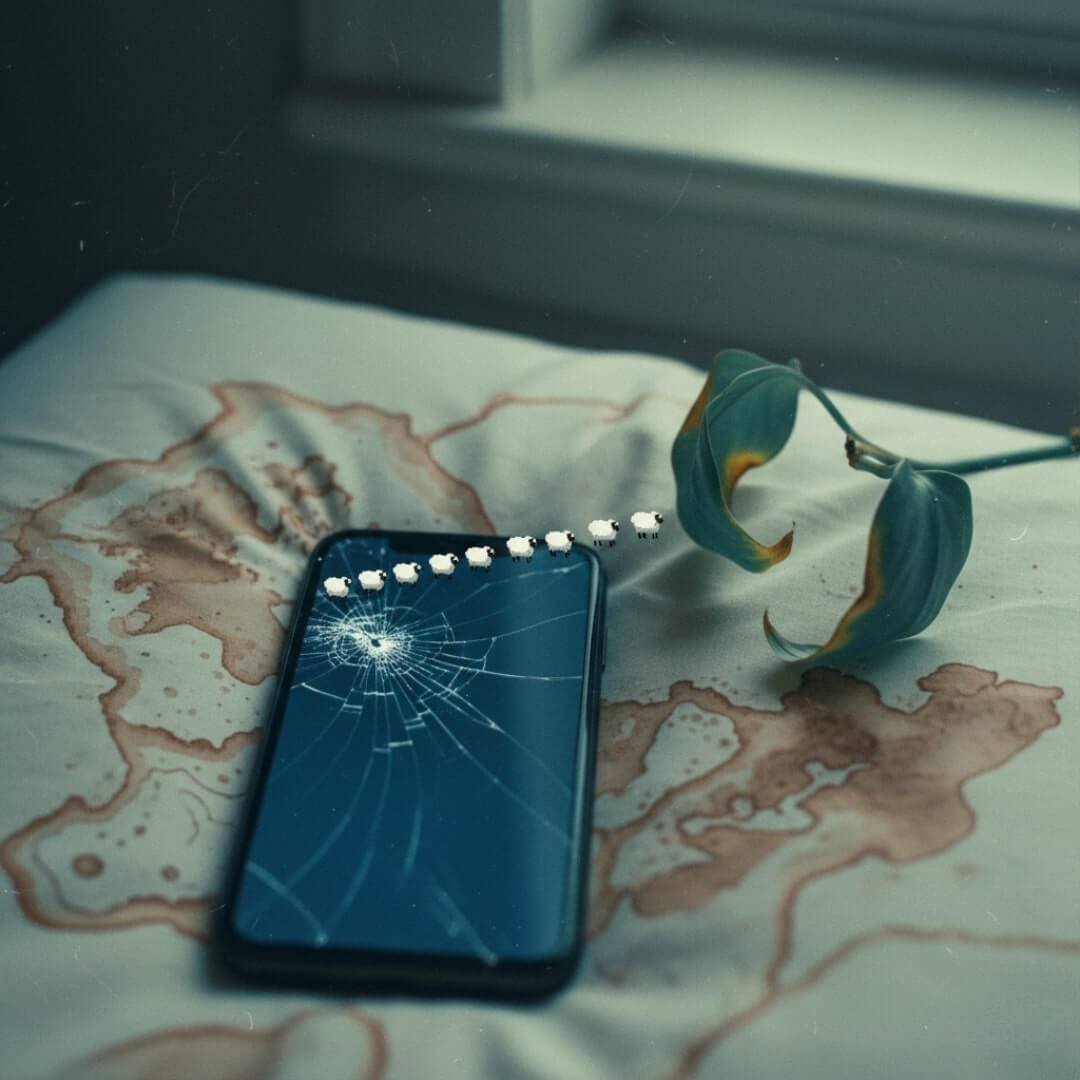
How blue light affects sleep became painfully obvious to me last week when I found myself staring at my ceiling fan at 3:17am, heart racing like I’d just chugged three espressos, except I’d been doomscrolling X about some crypto drama I don’t even care about. Like, seriously? I’m a 34-year-old marketing manager in Columbus, Ohio, not some Silicon Valley bro, but here I was with my phone two inches from my face, the blue glow turning my bedroom into a sad little aquarium. My eyes felt like they’d been sandpapered, and my brain was doing that thing where every notification ping felt like a personal attack. Anyway, this isn’t some polished health blog—it’s just me spilling my unfiltered mess about how these screens are low-key hijacking our brains.
Why How Blue Light Affects Sleep Feels Like a Personal Betrayal
The science hits different when it’s your own circadian rhythm getting punked. I learned (the hard way) that blue light suppresses melatonin harder than my mom’s passive-aggressive texts about visiting more. This NIH study basically confirmed what my 4am panic spirals already knew—those wavelengths from our phones tell our brains it’s high noon even when it’s witching hour in the Midwest.

I started noticing patterns after I downloaded that screen time app (you know, the one that judges you harder than your ex). My average? 6.5 hours daily, with 72% after 9pm. The worst night was when I fell down a rabbit hole about vintage Pyrex patterns—legit stayed up till dawn “researching” cereal bowls. Woke up with a headache that felt like someone parked a truck on my prefrontal cortex. My focus at work? Shot. Like trying to write emails while my thoughts kept derailing into TikTok sounds I couldn’t unhear.
The Brain Health Angle of How Blue Light Affects Sleep (That Nobody Warned Me About)
Here’s where it gets weird—it’s not just about being tired. How blue light affects sleep also messes with your actual brain wiring. I started getting these micro-mood-swings where I’d be fine, then suddenly rage-y about someone cutting me off in the Kroger parking lot. Turns out chronic sleep disruption from screens can shrink your hippocampus (that’s the memory center, according to Harvard Medical School).
My most embarrassing moment? Falling asleep during a client Zoom call. Not nodding off—full-on drooling on my keyboard while my boss asked if I had thoughts on Q4 projections. The blue light from my second monitor had been blasting my face for three hours straight. Woke up to 47 Slack messages and my webcam showing me with Cheetle dust (Flamin’ Hot Cheetos residue) on my cheek like war paint.
Those Nights When How Blue Light Affects Sleep Wins
Let me paint you a picture of my typical Wednesday:
- 10pm: “Just one more video”
- 11pm: Deep in some Reddit thread about whether birds are government drones
- Midnight: Eyes burning but can’t stop
- 2am: Existential crisis about my life choices
- 6am: Alarm hits like a freight train

My Half-Assed Attempts at Fixing How Blue Light Affects Sleep
I tried everything, okay? The blue-light filtering glasses made me look like a budget Bono, but they actually helped a little. Night mode on my phone? Felt like putting a Band-Aid on a bullet wound. What finally worked was this chaotic system I accidentally invented:
- The 8:30pm phone jail: I literally lock my phone in my car. Yes, in November in Ohio. The cold keeps it from overheating and keeps me from grabbing it.
- Paper book relapse: Dug out my old copy of “The Stand” by Stephen King. Reading about the apocalypse by lamp light somehow feels less apocalyptic than my phone.
- The magnesium gamble: Started taking magnesium glycinate after reading some Cleveland Clinic article. Tastes like chalky regret but I sleep deeper.
The real game-changer was creating a “digital sunset” ritual. At 7:30pm I switch every light in my apartment to those warm Home Depot bulbs that look like they belong in a 70s basement. Then I eat dinner on actual plates instead of scrolling. Revolutionary, I know.

How Blue Light Affects Sleep: The Contradictions I Still Live With
Here’s the honest truth—I still cave sometimes. Last night I watched three hours of cooking videos because Gordon Ramsay yelling at people is weirdly soothing. But now I set a timer shaped like a tiny tomato (Pomodoro technique gone rogue) and when it dings, I yeet the phone across the room. The crash sound is satisfying.
My brain fog has lifted enough that I can actually remember where I parked at the mall. My dreams are weirder (last night I dreamt about sheep made of pixels herding me), but at least I’m dreaming. The dark circles under my eyes? Still there, but they’re more “tired artist” than “actual corpse.”
Look, figuring out how blue light affects sleep is like trying to quit any addiction—you’ll have relapses, you’ll hate yourself at 2am, you’ll discover that your willpower is approximately that of a wet paper towel. But even my messy attempts have made my mornings less apocalyptic. Start small. Maybe just move your phone charger out of your bedroom tonight. Or don’t. I’m not your mom.
Your turn: What’s your worst screen-time crime story? Drop it in the comments—misery loves company, and maybe we’ll all sleep better knowing we’re not alone in this blue-lit hellscape.
Outbound Link: National Sleep Foundation – Blue Light & Sleep