Brain & Memory
Apathy Is A Symptom, Not A Personality Change
Loss of motivation and initiative is a distinct clinical feature separable from depression, arising from specific brain circuits, and it is frequently mistaken for laziness or contentment.
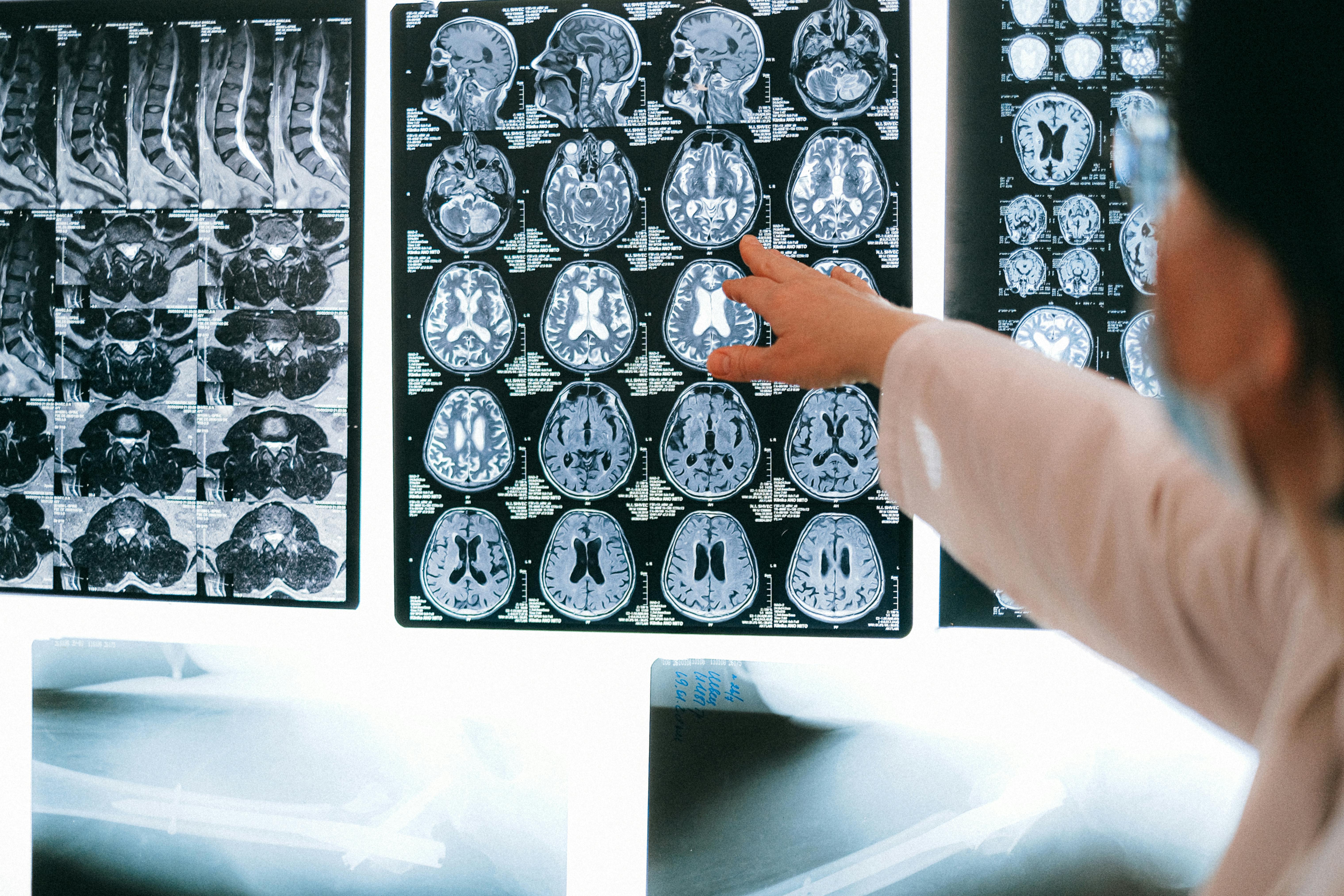
Loss of interest and initiative is often read as a personality change or as contentment with a quieter life. It is a recognised clinical feature with identifiable mechanisms.
What apathy describes
Apathy is a reduction in goal-directed behaviour, together with reduced emotional responsiveness and reduced interest in surroundings.
The defining feature is that the person does not initiate activity, rather than that they attempt it and fail or find it unrewarding.
Prompted, they will often participate willingly and enjoy it, which is what distinguishes apathy from an inability to experience pleasure.
It is separable from depression
The two overlap and frequently coexist, but apathy can occur without sadness, guilt, hopelessness or the sleep and appetite changes that characterise depression.
People with apathy are typically not distressed by their reduced activity, whereas people with depression usually are, and this difference is often the most useful clue.
The distinction matters practically because treatments for depression do not reliably improve apathy, and some may worsen it.
The circuits involved
Motivation depends on connections between frontal regions and deeper structures involved in reward and action selection, with dopamine signalling prominent.
Damage anywhere along these connections can reduce initiation, which is why apathy appears in small vessel disease, Parkinson's disease, stroke and several dementias.
It can therefore be an early feature, sometimes preceding the more recognised symptoms of the underlying condition by a considerable period.
Why it is missed
A person who does less complains of nothing, so there is no presenting problem and no request for help.
Withdrawal is easily read as a reasonable adjustment to age, and family may interpret it as contentment or as stubbornness depending on how it is expressed.
It is also mistaken for fatigue, and repeated investigation for a physical cause can proceed for some time before the pattern is recognised.
Why identifying it changes things
Apathy predicts functional decline and carries a substantial burden for families, partly because it is frequently interpreted as deliberate.
Reversible contributors exist, including some medications, thyroid dysfunction, sleep disorders and low mood, and these are worth excluding first.
Describing the behaviour concretely helps more than using the word itself, since an account of what the person has stopped initiating is what a clinician can work with.
Structured external prompting and routine tend to help where the underlying cause cannot be changed, but the assessment itself belongs with a clinician.
Also by Dr. Helen Marsh
- What actually protects memory: separating the evidence from the marketingBrain & Memory
- Blood pressure targets at 70 are not the same as at 45Heart & Metabolic
- Deprescribing: the medication review almost nobody is offeredPreventive Care
- Loneliness is a health risk. What the research actually showsLiving Well