Brain & Memory
Prospective Memory Is Remembering To Do Something
Remembering an intention at the right future moment uses different machinery from recalling the past, and it is the memory function that declines most visibly with age.
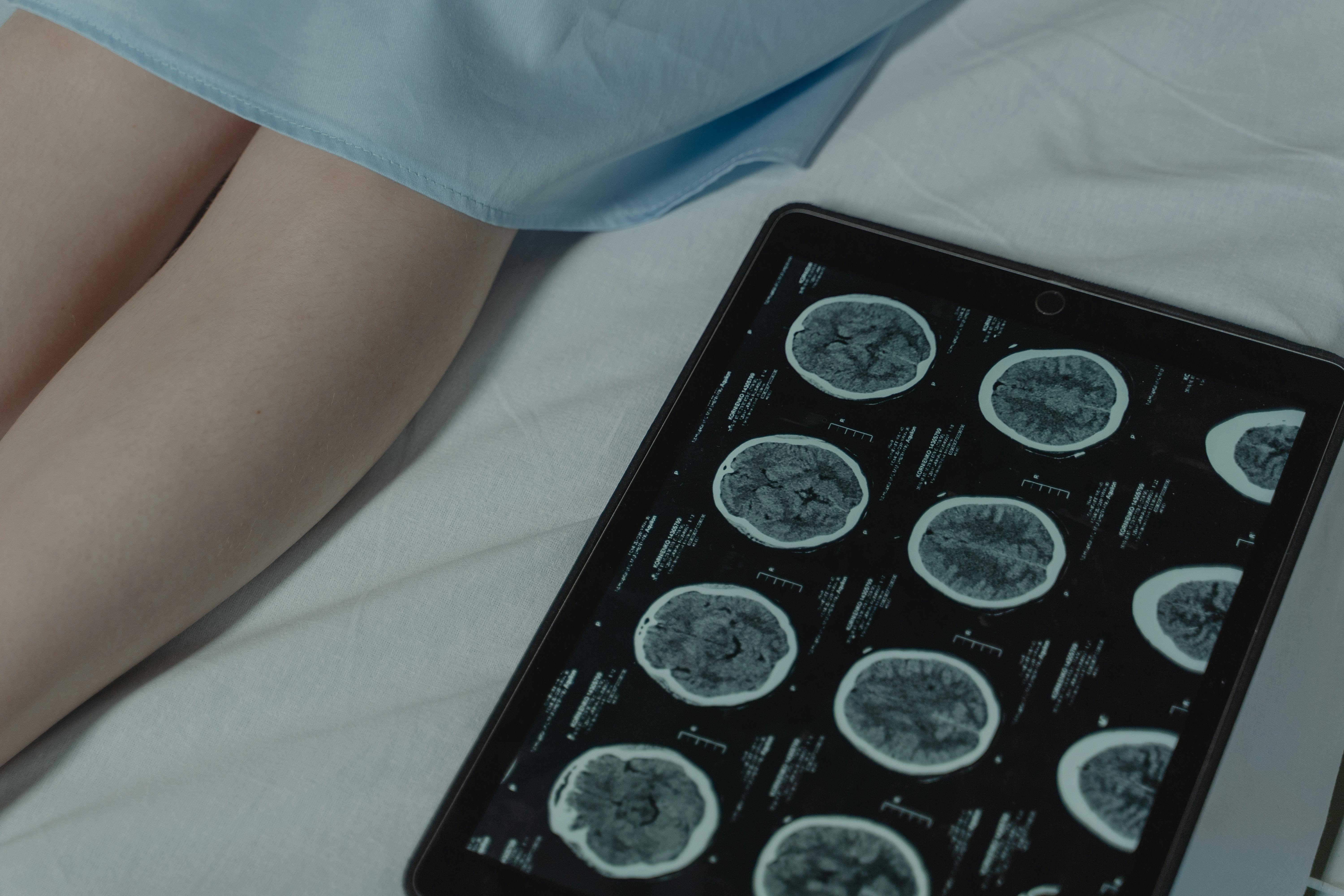
Most complaints about memory in later life concern forgotten intentions rather than forgotten facts. That distinction has a name and a separate mechanism behind it.
What the task actually requires
Prospective memory means holding an intention formed now and retrieving it at a moment in the future that has not yet arrived.
The intention must be stored, then the right cue must be noticed while attention is occupied elsewhere, and only then can the action be performed.
Nothing prompts the retrieval. Unlike answering a question, there is no external request, which is why the failure mode is silence rather than a wrong answer.
The failure is also usually discovered later, when the consequence appears, rather than at the moment the intention should have been acted on.
Event-based and time-based tasks differ
Event-based tasks are triggered by something in the environment: passing the mailbox reminds you of the letter in your bag.
Time-based tasks depend on self-generated monitoring, since nothing in the world signals that twenty minutes have passed and the pot needs stirring.
Time-based tasks decline more with age, which fits the pattern of reduced self-initiated retrieval rather than a general failure of memory storage.
Why laboratory results differ from daily life
In controlled testing, older adults typically perform worse than younger ones on these tasks under the same conditions.
In everyday settings the pattern often reverses, because older adults use calendars, pill organizers, notes and fixed routines more consistently.
The gap between the two findings suggests the underlying capacity does change while the practical outcome depends heavily on the external supports in place.
How external cues do the work
Placing an object where it will be encountered converts a time-based task into an event-based one, which is the easier form.
Attaching a new intention to an existing routine works on the same principle, since the routine supplies a reliable cue at a predictable moment.
Written lists and alarms remove the monitoring requirement entirely, which is why they help disproportionately with exactly this kind of forgetting.
The support has to be encountered rather than merely created, so a list left in a drawer fails for the same reason the original intention did.
When the pattern deserves attention
Occasional lapses are ordinary at any age, and they increase under fatigue, stress, divided attention and disrupted routine.
Missing medication doses repeatedly despite a system, or forgetting appliances left running, is a different situation with practical safety implications.
A pattern that is new, worsening, or noticed by others is worth raising with a physician rather than absorbing into an assumption about age.
Also by Dr. Helen Marsh
- What actually protects memory: separating the evidence from the marketingBrain & Memory
- Blood pressure targets at 70 are not the same as at 45Heart & Metabolic
- Deprescribing: the medication review almost nobody is offeredPreventive Care
- Loneliness is a health risk. What the research actually showsLiving Well