Brain & Memory
Surgery, Anaesthesia And Cognitive Change Afterwards
Confusion after an operation is common and usually temporary, but the causes involve inflammation, medication and disrupted sleep as much as the anaesthetic itself.
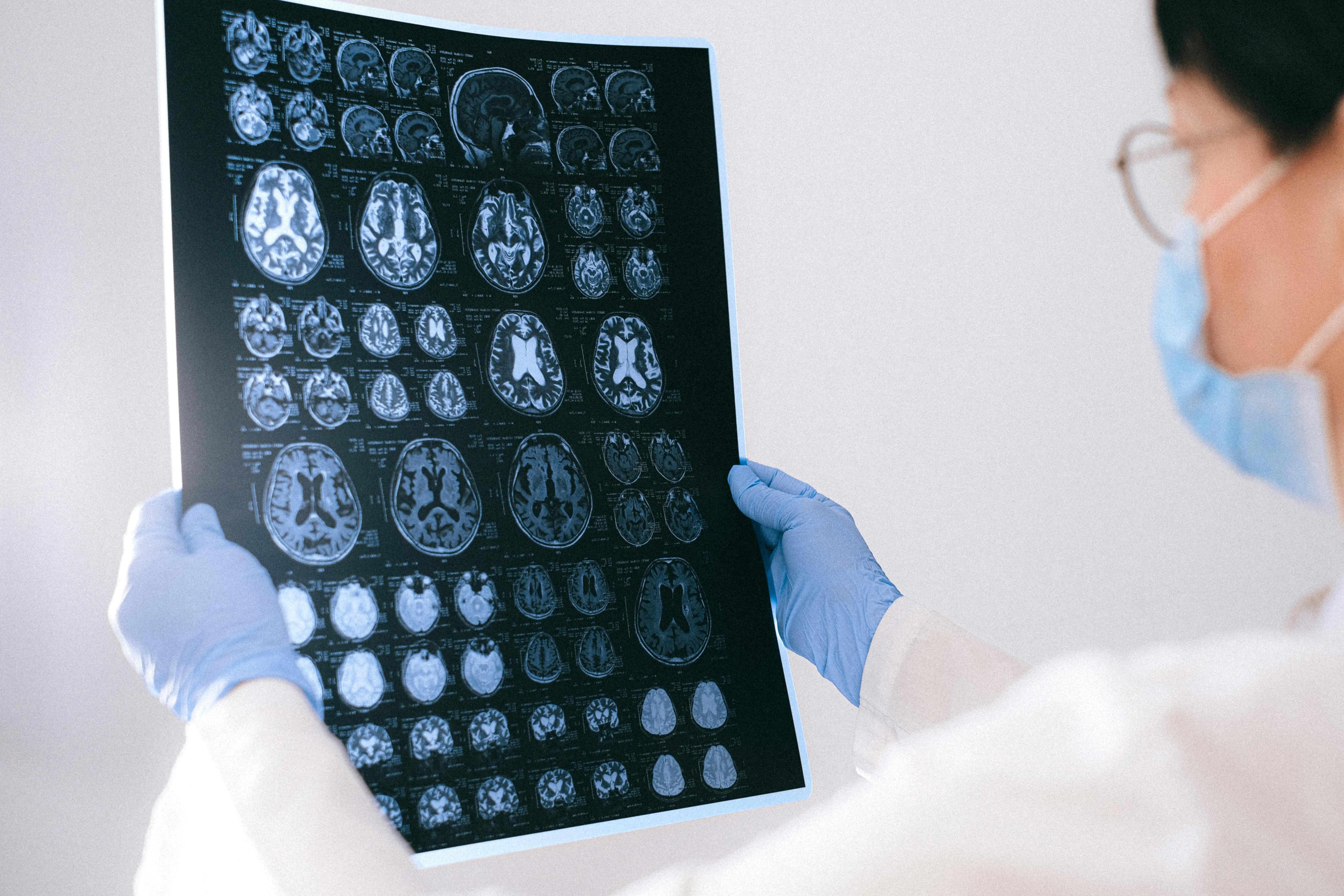
Cognitive change after surgery is common in older adults and frequently blamed on the anaesthetic alone. The contributing factors are broader, and separating them changes what can be done.
Two distinct phenomena
Postoperative delirium develops within days, involving fluctuating attention, disorientation and often disturbed perception, and it is usually obvious to those present.
A separate, subtler change in memory and processing speed can persist for weeks or months and is detectable on testing rather than by observation.
They differ in timing, presentation and probably in mechanism, though experiencing the first is associated with a higher likelihood of the second.
The anaesthetic is one factor among several
Anaesthetic drugs act on brain receptors and are cleared more slowly with age, but comparisons between general and regional anaesthesia have not shown large consistent differences.
This suggests the surgical event itself contributes substantially, independent of how consciousness was managed during it.
Depth of anaesthesia, blood pressure during the procedure and the drugs used for sedation and pain relief afterwards are all under some degree of control.
The inflammatory response
Tissue injury from surgery triggers a systemic inflammatory response, and signalling molecules from it can affect brain function.
Larger and longer operations produce a larger response, which is consistent with the observation that major surgery carries greater risk than minor procedures.
Existing cognitive impairment, even mild and undiagnosed, is among the strongest predictors, which is why preoperative assessment increasingly includes cognitive screening.
The hospital environment contributes independently
Sleep is fragmented by noise, light and observations, and disrupted sleep alone impairs attention and memory considerably.
Removal of glasses and hearing aids reduces sensory input at precisely the moment orientation is most difficult, and unfamiliar surroundings remove usual cues.
Pain, dehydration, constipation, urinary retention and new medications each add to the load, and several are correctable once identified.
What reduces the risk
Programmes combining early mobilisation, sleep protection, hydration, orientation and return of glasses and hearing aids have reduced delirium rates in hospital settings.
Medication review before admission matters, particularly for sedating and anticholinergic drugs that add to the burden during recovery.
Planning ahead helps where surgery is elective, since improving nutrition, activity and blood pressure control beforehand addresses several contributors at once.
Persistent confusion after discharge, or a change that family notice weeks later, should be reported rather than assumed to be a normal consequence of surgery.
Also by Dr. Helen Marsh
- What actually protects memory: separating the evidence from the marketingBrain & Memory
- Blood pressure targets at 70 are not the same as at 45Heart & Metabolic
- Deprescribing: the medication review almost nobody is offeredPreventive Care
- Loneliness is a health risk. What the research actually showsLiving Well