Preventive Care
Why Older Adults Are Missing From Drug Trials
Trials routinely exclude participants with multiple conditions or advanced age, so the evidence guiding treatment in later life is largely extrapolated from younger, healthier populations.
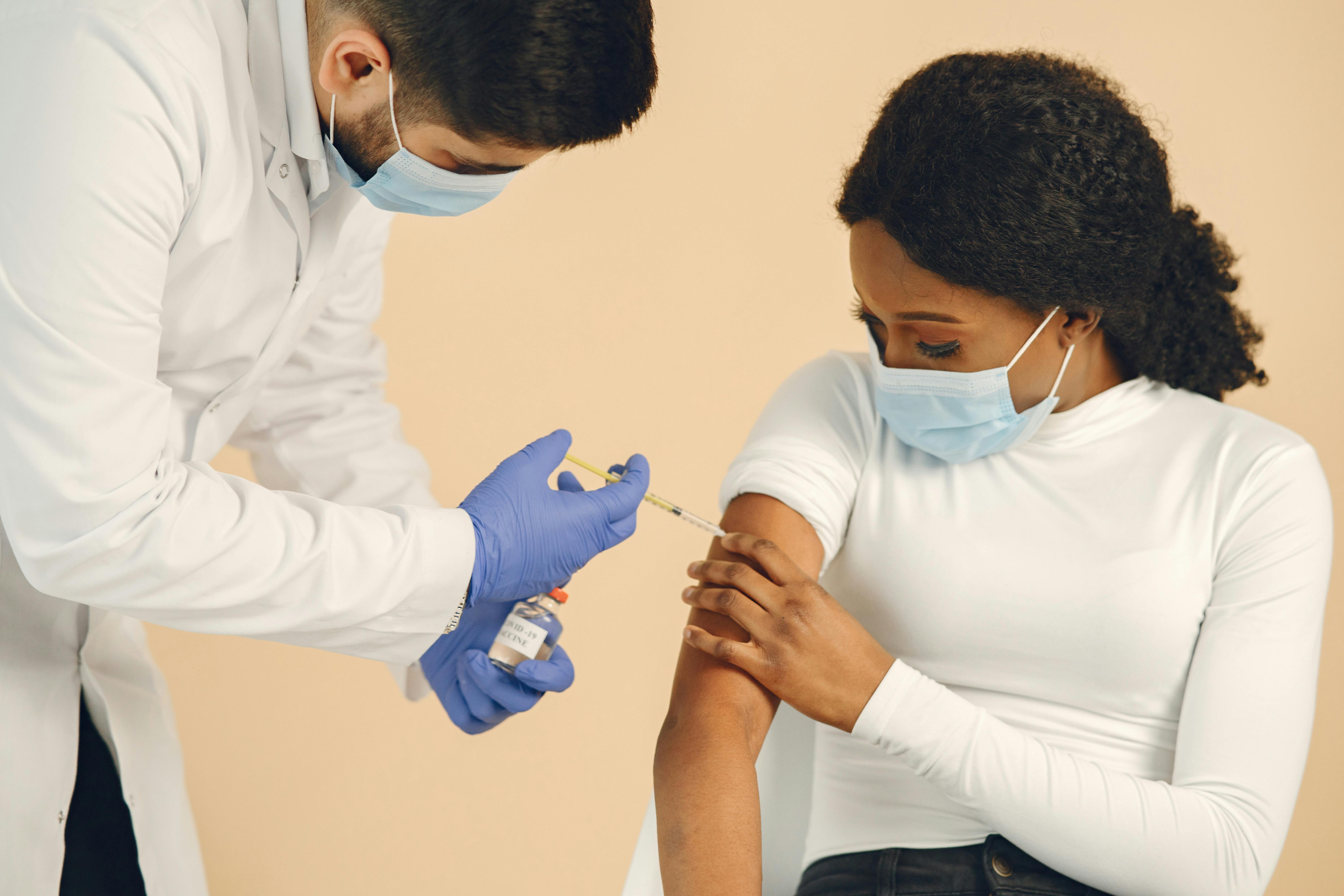
Much of the evidence used to treat older adults was generated in populations that contained few of them. The exclusions are systematic, and they shape what is and is not known.
How exclusion happens
Some trials specify an upper age limit directly, though this has become less common as the practice has been criticised.
More often exclusion is indirect: criteria that rule out reduced kidney function, multiple long-term conditions, several concurrent medicines or cognitive impairment.
Since these characteristics become steadily more common with age, criteria that never mention age exclude older participants efficiently anyway.
Why trials are designed this way
A homogeneous population reduces variability, which means a smaller trial can detect an effect, at lower cost and in less time.
Participants with several conditions complicate safety monitoring, because adverse events may reflect existing illness rather than the drug being studied.
Practical barriers add to this. Trial participation requires travel, repeated visits and consent processes that are harder where mobility or cognition is impaired.
What this does to the evidence
Benefits observed in a younger, healthier group may be smaller in an older one, because competing causes of illness reduce how much any single intervention changes.
Harms tend to move in the opposite direction, since altered drug handling, reduced reserve and interactions with other medicines all increase with age.
The combination means the balance of benefit and harm can differ substantially from the trial result, in a direction that trial data cannot quantify.
Time to benefit is the underused concept
Many preventive treatments take years to produce measurable benefit, because they work by reducing the rate of events over time.
Side effects, by contrast, usually begin immediately. A treatment with a long time to benefit therefore front-loads its costs and back-loads its gains.
Comparing that interval with a person's likely remaining years is a more useful framing than asking whether a treatment works in general.
How guidelines handle the gap
Guidance increasingly acknowledges the limitation explicitly, and some documents include separate sections on older adults or on people with several conditions.
Some evidence comes from observational data and registries, which include older populations but cannot establish cause with the same confidence.
None of this argues against treatment. It argues for the discussion being explicit, which is a reasonable thing to ask a prescriber about directly.
Also by Dr. Helen Marsh
- What actually protects memory: separating the evidence from the marketingBrain & Memory
- Blood pressure targets at 70 are not the same as at 45Heart & Metabolic
- Deprescribing: the medication review almost nobody is offeredPreventive Care
- Loneliness is a health risk. What the research actually showsLiving Well