Heart & Metabolic
Peripheral artery disease: leg pain on walking is not just wear and tear
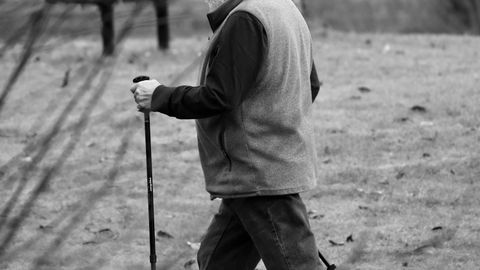
Cramping calf pain that starts after a predictable distance and stops within minutes of resting is claudication, and it signals atherosclerosis affecting more than the legs.
Peripheral artery disease affects an estimated 200 million people worldwide, with prevalence above 20 per cent in the over-eighties. It is atherosclerosis in the arteries supplying the legs, and it is under-diagnosed to a striking degree — the majority of people who have it do not report classic symptoms and have never been assessed.
The reason it matters extends well past the legs. PAD is a marker of systemic atherosclerosis, and people with it have a substantially elevated risk of myocardial infarction and stroke. Many die of coronary disease rather than of anything happening in their legs. Finding PAD is therefore an opportunity for cardiovascular risk reduction, whatever is done about the walking.
Recognising claudication
The classic history is quite specific once you know it. Cramping, aching or fatigue in the calf — sometimes the thigh or buttock, depending on the level of disease — that:
- comes on after a fairly reproducible walking distance;
- is worse going uphill or hurrying;
- is relieved by standing still within a few minutes, without needing to sit or bend.
That last feature distinguishes it from the neurogenic claudication of spinal stenosis, where relief requires sitting or leaning forward and where walking uphill is often easier than downhill. The two are frequently confused, and they coexist often enough to make the history confusing.
But most PAD is not classic. Many patients report only leg fatigue, or slowing down, or simply walk less — and because reduced walking prevents the symptom, the disease progresses silently. In diabetes, neuropathy can blunt the pain entirely, so the first presentation is an ulcer.
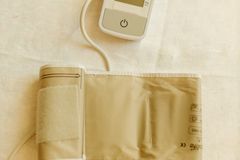
The ankle–brachial index compares systolic blood pressure at the ankle with that in the arm. Normal is 1.0–1.4. Below 0.9 is diagnostic of PAD; below 0.4 indicates severe disease. It takes a few minutes with a Doppler probe. In diabetes and chronic kidney disease, calcified vessels can produce falsely high readings above 1.4, in which case toe pressures or waveform analysis are used instead.
Critical limb ischaemia
The severe end, and a different clinical situation. Rest pain — typically in the forefoot, worse when lying flat, relieved by hanging the leg out of bed — non-healing ulcers, or gangrene. This is limb-threatening and requires urgent vascular assessment. Delay costs limbs.
Any non-healing wound below the knee in someone with risk factors should prompt an assessment of arterial supply before it is treated as a simple ulcer.
Treatment, in order of what changes outcomes
Stopping smoking is the single most effective intervention and by a wide margin. Smoking is the dominant risk factor for PAD, more so than for coronary disease, and continued smoking predicts progression to critical ischaemia, amputation and death. Nothing else on this list comes close.
Supervised exercise therapy is first-line for claudication and consistently outperforms unsupervised advice to walk. The protocol is counter-intuitive: walk until the pain is moderate, rest until it goes, repeat, for around 30 to 45 minutes, three times a week, for at least twelve weeks. Walking into the pain is the treatment.
The mechanism is not simply collateral vessel growth — improvements in muscle metabolism, endothelial function and walking efficiency all contribute. Trials have found supervised exercise to be comparable to angioplasty for improving walking distance in intermittent claudication, which is a remarkable result for a free intervention.
Statin therapy, at high intensity, regardless of baseline cholesterol. This reduces cardiovascular events and also improves walking distance.
Antiplatelet therapy — clopidogrel or aspirin — for cardiovascular protection.
Blood pressure and diabetes control. Beta blockers were once avoided in PAD on theoretical grounds; that concern has not been borne out and they should not be withheld where otherwise indicated.
Foot care, particularly in diabetes. Daily inspection, well-fitting footwear, podiatry, and prompt attention to any break in the skin.
When revascularisation is appropriate
Angioplasty, stenting or bypass surgery are indicated for critical limb ischaemia, and for claudication that remains genuinely disabling after a proper trial of exercise and medical therapy.
The important qualification is that intervening early for mild claudication does not improve long-term outcomes, carries procedural risk, and does not address the systemic disease. Exercise first is not a delaying tactic; it is the evidence-based sequence.
The thing to take away
If your legs ache after a predictable distance and settle when you stop, say so — and ask for an ankle–brachial index rather than accepting that it is your age or your knees.
Finding PAD rarely changes the legs dramatically. It frequently changes the statin, the antiplatelet, the smoking conversation and the blood pressure target, and those are the things that determine whether you have a heart attack in the next five years.
Also by Dr. Helen Marsh
- What actually protects memory: separating the evidence from the marketingBrain & Memory
- Blood pressure targets at 70 are not the same as at 45Heart & Metabolic
- Deprescribing: the medication review almost nobody is offeredPreventive Care
- Loneliness is a health risk. What the research actually showsLiving Well