Strength & Mobility
Grip strength is the cheapest health test in medicine
A device costing less than a pair of shoes predicts mortality, disability and hospital outcomes better than most things on a blood panel. What it is really measuring is the interesting part.

There is a moment in most geriatric assessments where the clinician hands over a hand dynamometer and asks the patient to squeeze. It looks like a formality. It is, on the evidence, one of the more informative things that happens in the appointment.
The Prospective Urban Rural Epidemiology study followed around 140,000 adults across seventeen countries and found that each 5 kg reduction in grip strength was associated with a 16 per cent higher risk of death from any cause. It predicted cardiovascular mortality better than systolic blood pressure did. That is a genuinely strange result for a test that involves squeezing a spring, and it has been replicated often enough that it is no longer treated as a curiosity.
What it is actually measuring
Not the strength of your hand, particularly. Grip is a proxy, and it works because it sits downstream of a great many things that matter.
It reflects total muscle mass and quality, because forearm musculature declines roughly in step with the rest. It reflects neurological function, since force production depends on how well the nervous system recruits motor units. It reflects nutritional status, because protein-energy undernutrition shows up in muscle before it shows up anywhere obvious. It reflects inflammatory burden, because chronic inflammation is catabolic. And it reflects whether a person has been physically active for the past thirty years.
Any single one of those would be worth knowing. Grip integrates them into one number in about fifteen seconds, without a blood draw, a machine, or a waiting list.
The 2019 revision of the European consensus definition of sarcopenia made grip strength the entry point of the diagnostic algorithm for exactly this reason — measure strength first, confirm with mass second. Strength turned out to be the better predictor of the outcomes anyone cares about.
The EWGSOP2 cut-offs for probable sarcopenia are under 27 kg for men and under 16 kg for women. Those are thresholds for concern, not targets — a healthy man in his sixties would typically manage 40 kg or more, a woman 25 kg or more, with wide individual variation. Test the dominant hand, seated, elbow at 90 degrees, three attempts, take the best.
Where it is useful clinically
Beyond the epidemiology, grip has practical uses. Low grip strength before elective surgery predicts longer hospital stays and more complications, which is why some prehabilitation programmes now measure it. It is used to track recovery after illness, where it responds faster than weight does. And in oncology it forms part of several frailty assessments used to decide whether a patient will tolerate aggressive treatment.
It is also a decent way to detect the thing that is otherwise invisible: sarcopenic obesity, where muscle has been lost and fat gained, and the person's weight, BMI and general appearance suggest nothing is wrong.
The mistake people make with the result
Having read all this, a reasonable person buys a grip trainer and starts squeezing. This does not work, and the reason is instructive.
Training your grip improves your grip. It does not improve the underlying muscle mass, neurological function, nutritional status or inflammatory burden that made grip a useful marker in the first place. You would be improving the reading on the dial without changing anything the dial was telling you about — the health equivalent of putting the thermometer in the fridge.
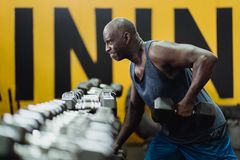
The way to improve grip strength meaningfully is to improve whole-body strength, of which grip is a downstream consequence. Heavy carries, rows, pull-downs, deadlifts and any loaded movement where you hold something substantial will do far more than a hand gripper, and will also do the thing you actually wanted.
What to do with a low reading
First, do not panic about a single measurement. Grip varies with time of day, hand dominance, recent activity, arthritis, and whether you have understood the instruction. Pain in the hand invalidates the test entirely — someone with rheumatoid arthritis or a thumb-base osteoarthritis has a low grip for reasons that have nothing to do with systemic muscle status.
If it is genuinely low and repeatable, the useful next steps are unglamorous. Confirm with a functional test — the five-times sit-to-stand, or gait speed over four metres, where under 0.8 m/s is the usual threshold for concern. Look at protein intake, which is inadequate in a large fraction of older adults. Review medications for anything catabolic or sedating. Check for the treatable contributors: thyroid dysfunction, B12 deficiency, undiagnosed diabetes, depression.
Then start resistance training, because that is the intervention that actually reverses the trajectory. Two sessions a week, progressive load, sustained. Everything else on this list is a modifier; that one is the treatment.
Measuring it yourself
Hand dynamometers cost roughly the price of a takeaway meal and are accurate enough for tracking change over time, if not for comparing against clinical reference data. The value is in the trend rather than the absolute number.
Measure it every three months, same hand, same position, same time of day. A stable or rising number over years, through your seventies, is a better indicator that things are going well than almost any other measurement you can take at home — and a falling one, six months before you would otherwise have noticed anything, is the earliest warning you are likely to get.
Also by Ray Okafor
- Why muscle, not weight, is the number that matters after 60Strength & Mobility
- The balance test you can do in your kitchen, and what to do if you fail itStrength & Mobility
- Can you get up off the floor without using your hands?Strength & Mobility
- Aerobic fitness after 60: what VO2 max means and why it keeps fallingHeart & Metabolic