Nutrition After 50
Cooking Method Changes What The Body Absorbs
Heat, water and fat alter the availability of nutrients in opposite directions depending on the compound, so no single cooking method is best across the board.
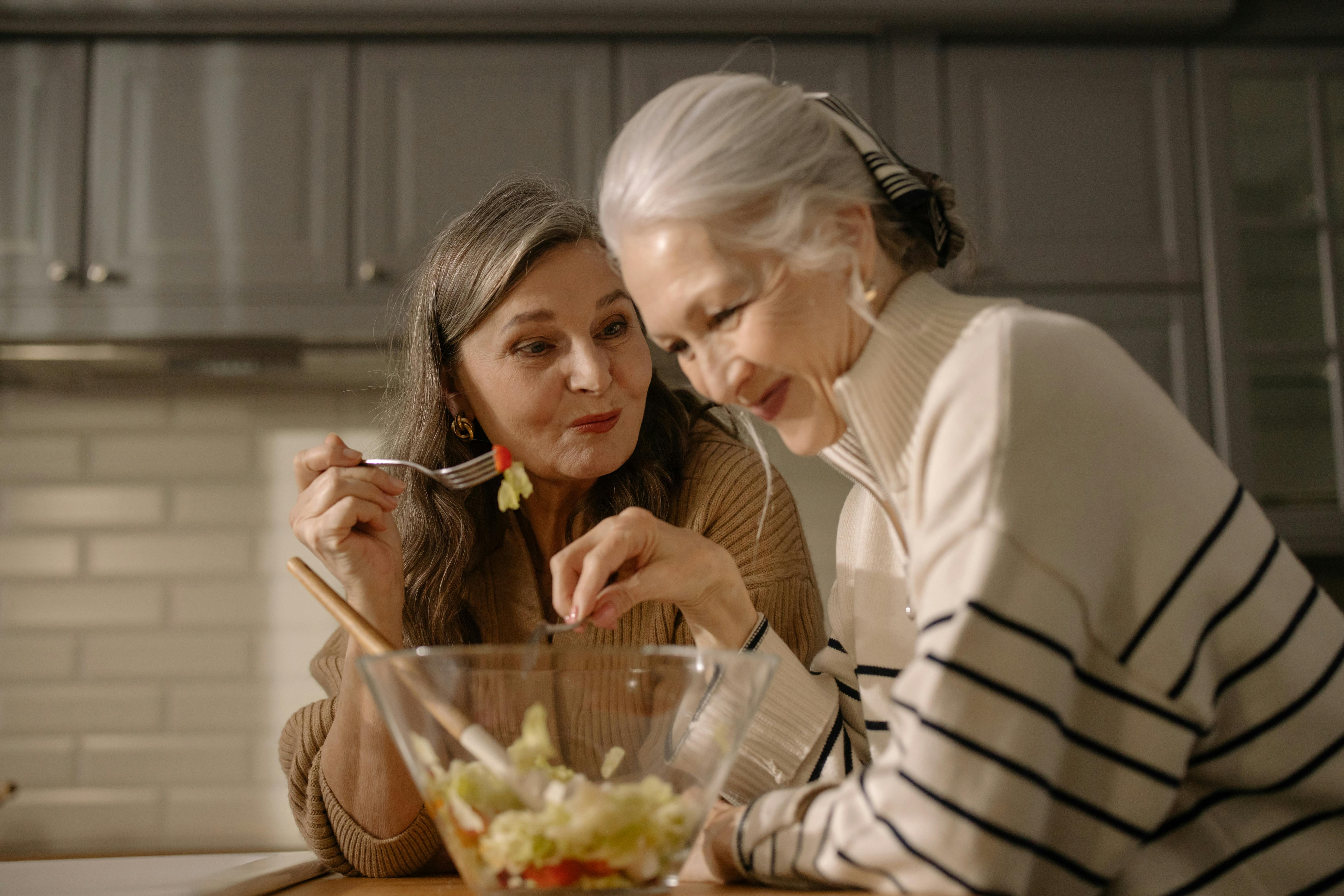
Raw is widely assumed to be the most nutritious form of a vegetable. The relationship between cooking and nutrient availability runs in both directions depending on the nutrient.
What cooking does to plant tissue
Plant cells are enclosed in walls made of material human digestion cannot break down efficiently, and much of the nutrient content sits inside those cells.
Heat softens and ruptures the structure, releasing compounds that would otherwise pass through largely unabsorbed.
Chewing does some of this work mechanically, which is one reason dental problems and reduced chewing strength affect what a person actually absorbs.
Water-soluble nutrients leave with the water
Vitamin C and the B vitamins dissolve readily, so boiling transfers a portion of them from the food into the cooking liquid.
The loss scales with water volume, contact time and surface area, which is why chopped vegetables boiled at length lose more than whole ones steamed briefly.
Using the cooking liquid, as happens in soups and stews, recovers what was transferred rather than pouring it away.
Minerals behave the same way, which is why the broth from a long-simmered dish carries more than its appearance suggests.
Some compounds become more available with heat
Carotenoids in carrots, tomatoes and squash are bound within cell structures, and cooking releases them into a form the gut can take up more readily.
These compounds are fat-soluble, so absorption also depends on some fat being present in the same meal.
A dressing on a salad or oil in a pan is doing nutritional work rather than only adding flavor, which is worth knowing for anyone eating very low-fat meals.
Method matters as much as temperature
Steaming and microwaving use little water and short times, which limits both leaching and thermal degradation.
Roasting removes water entirely, concentrating flavor while keeping soluble nutrients in the food rather than in a discarded liquid.
Extended high-heat methods degrade the most heat-sensitive vitamins, though they also improve texture and palatability, which matters when appetite is limited.
Cutting size interacts with all of this, since more exposed surface means faster cooking but also more contact with water and air.
Why palatability outweighs the margins
The differences between reasonable cooking methods are modest compared with the difference between eating a vegetable and not eating it.
For older adults with reduced appetite, chewing difficulty or altered taste, a well-cooked vegetable that gets eaten beats a raw one that does not.
Anyone managing a condition with specific dietary requirements should work those details out with a registered dietitian rather than from general principles.
Also by Ingrid Solberg
- How much protein do you actually need after 50?Nutrition After 50
- Vitamin D, B12 and calcium: which supplements have earned their place after 60Nutrition After 50
- Fibre, the ageing gut, and why constipation is not inevitableNutrition After 50
- Cooking for one after a lifetime of cooking for fourLiving Well